By Cynthia Brian
“And the Raven, never flitting, still is sitting, still is sitting… Quoth the Raven “Nevermore.” Edgar Allen Poe
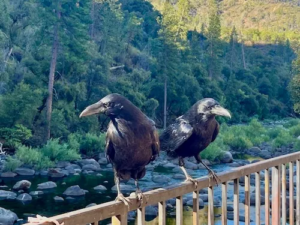
As I sipped my morning coffee on the balcony of the B&B overlooking the Merced River on the outskirts of Yosemite National Park, a pair of ravens watched my every move. Ravens are huge birds with wingspans up to five feet. In folklore, when ravens visit a garden, they are considered whisperers of fate and mystical messengers. It’s nearing Halloween. Edgar Allen Poe came to mind. What are they trying to tell me?
Gardening appears benign enough, yet the toxins in many beautiful plants can be murderous. Without even realizing it, you may have a poison patch that could be deadly to your family and your pets. Many plants contain calcium oxalate crystals that, when eaten, cause swelling of the mouth and digestive tract as well as intense burning.
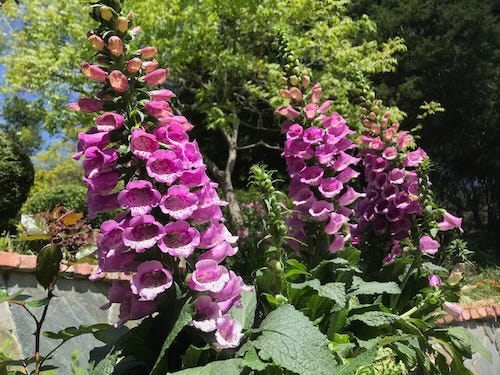
Others contain cardiac glycosides (digitalis) that disrupt heart function and can be fatal. Others contain aconite alkaloids used to poison arrows, causing severe neurological and cardiac distress, or neurotoxins that cause central nervous system failure.
Don’t be fooled by the sweet-sounding animal and bird names. These are toxic plants:
Wolfsbane
Dogbane
Henbane
Leopard’s bane
Cowbane
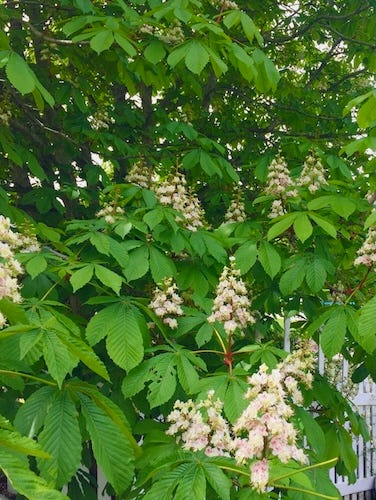
Horse chestnut
Cranesbill
Foxglove
Skunks cabbage
Horsetail
Catclaw Mimosa
Snakeberry
Larkspur
Pigeonberry
Cardinal flower
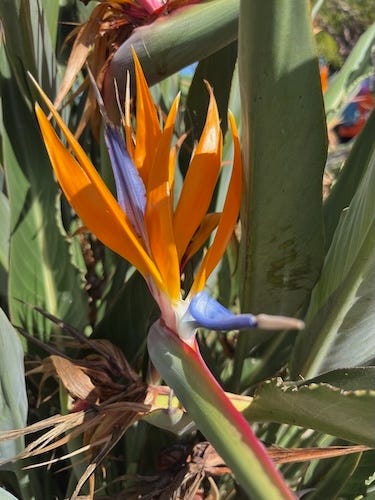
Bird of Paradise
Crowsfoot Buttercup
I remember the first time my horse chestnut tree dropped copious amounts of chestnuts. They looked very similar, only smaller, to the chestnuts (Castanea)I would roast over an open fire with my relatives in Ticino, Switzerland, when I was a teen. I gathered a basketful, but fortunately, before consuming them, I did my research and found out that conkers are extremely toxic to both humans and animals. Within minutes of eating a raw nut, severe illness can cause vomiting, and if enough are consumed, the result will be lethal. Because they are bitter, most animals avoid them. As a human, don’t be tempted; the poisonous compound aesculin, along with other saponins, can be fatal.
One of the most toxic plants in the world is deadly nightshade, Atropa belladonna. All parts of the plant, including the roots, leaves, and berries, contain deadly tropane alkaloids. Most people know that oleanders and hemlock are poisonous, but did you know that autumn’s favorite bloom, chrysanthemum, is toxic to pets? Humans may have minor nausea if eating a non-culinary mum or an allergic reaction with flower and leaf contact, while every part of the plant can fatally poison cats, dogs, horses, and other mammals.
List of more common poisonous plants in our gardens:
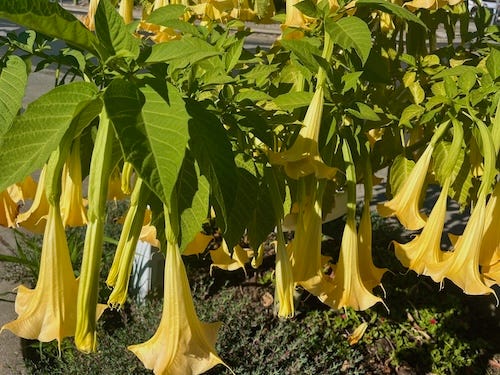
Angel Trumpet Vine
Anemone
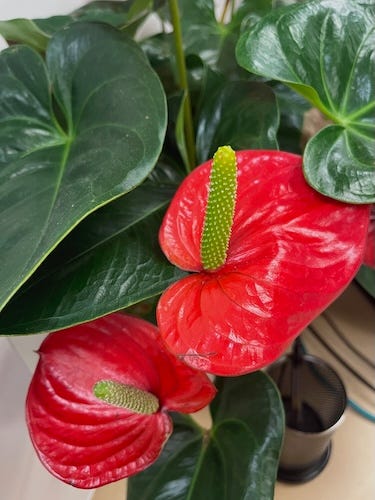
Anthurium
Arum italicum
Autumn crocus
Azalea
Boxwood
Caladium
Calla Lily
Castor Bean
Clematis
Daffodil
Delphinium (larkspur)
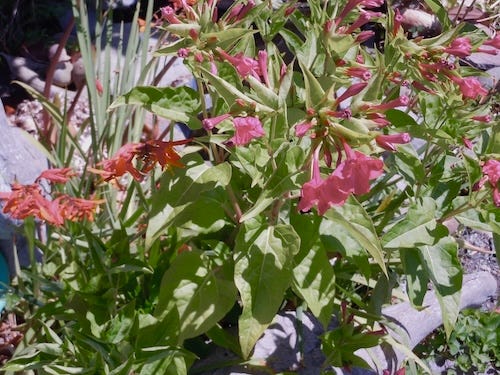
Four o’clock
Foxglove
Hyacinth
Hydrangea
Iris
Ivy
Lantana
Lily of the valley
Lobelia
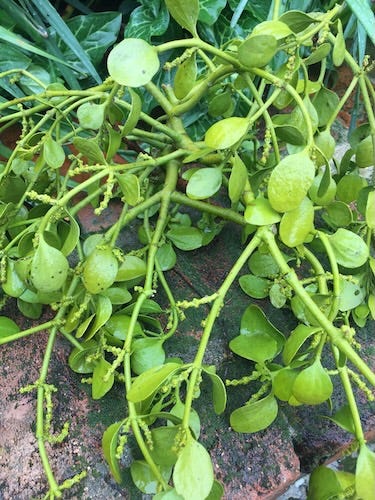
Mistletoe
Morning glory
Oleander
Periwinkle (vinca)
Philodendron
Pittosporum
Poison hemlock
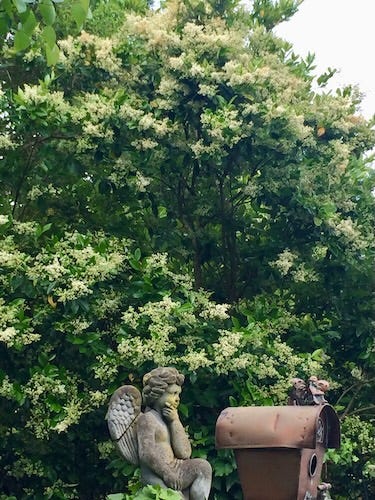
Privet
Rhododendron
Schefflera
Sweet pea
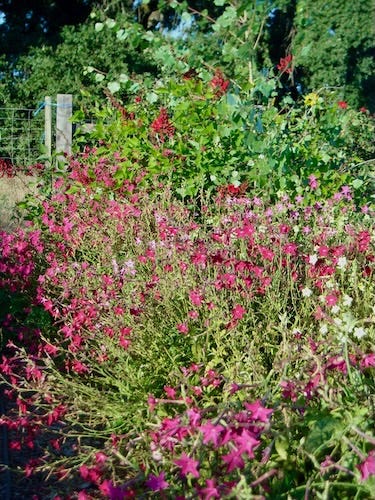
Tobacco (nicotiana)
Trumpet vine
Wisteria
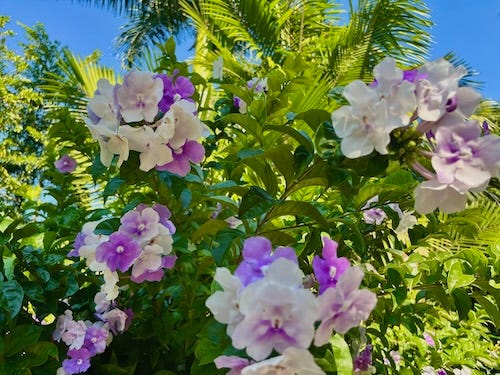
Yesterday, Today, and Tomorrow
Do you grow potatoes? Did you know that the leaves, stems, flowers, and fruit that grow above ground are poisonous? The potato plant contains high levels of solanine, a natural poison. The underground brown, yellow, purple, and red tubers are edible. If a potato is green or has sprouts, discard it. Never eat heavily greened or sprouted potatoes. If a potato is spoiled or tastes bitter, toss it, as it is toxic.
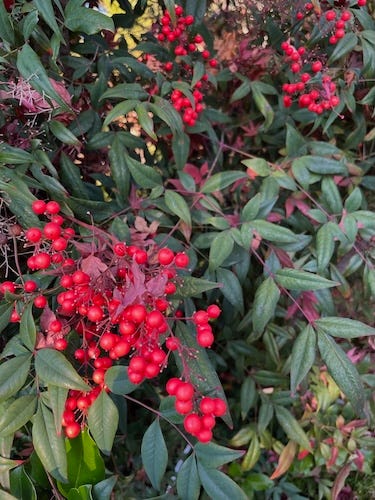
As if it’s not enough to have so many gorgeous, yet toxic plants, numerous berry-producing plants must be included in the poison patch. The color of the berry is not a reliable method to determine if a berry is edible. Birds can safely eat some berries that may be poisonous to humans. Don’t assume that because birds are eating a particular berry, it will be fine for you to indulge. Identification is critical to safety. Privet, Virginia creeper, pokeweed, baneberry, lily-of-the-valley, daphne, elderberry, nandina, jack-in-the-pulpit, and bittersweet belong in the category of toxic.
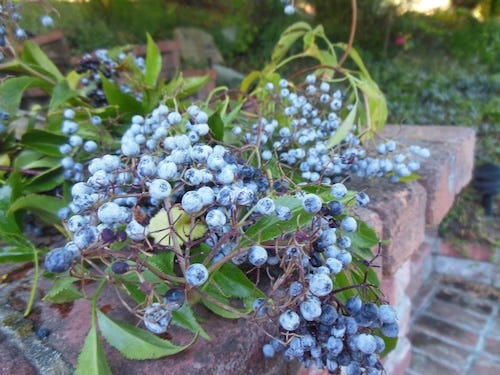
As I was hiking in Yosemite, the bountiful blue elderberries beckoned. I did not pick or eat any, as elderberries have poisonous seeds in each berry. If eaten raw, these berries cause nausea, vomiting, diarrhea, and cramps in humans. When cooked, the compounds that cause the pain and toxicity are broken down. When properly prepared, elderberry wine, jams, jellies, and syrups are delicious. As intelligent omnivores, ravens safely enjoy the ripe raw berries in their diet without ill effects.
Protect Yourself!
ü Learn what plants are poisonous or toxic to you and your pets.
ü Wear protective clothing, boots, eyewear, and gloves when handling plants.
ü Wash your body and your clothing after gardening, especially when around a poison patch.
ü Do not burn poison oak, oleanders, poison ivy, or sumac as the smoke causes severe lung and eye damage.
ü Practice safe handling of all plants.
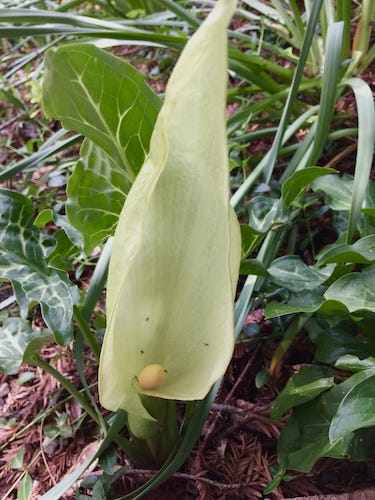
NEVER eat any flower, leaf, mushroom, or berry without positive identification. Nature is filled with poison patches that appear edible. If you are careless, the ravens, never flitting, still sitting, will be warning Nevermore.
Cynthia Brian’s Garden Guide for October
ü CLEAN debris from around your premises and rake dry leaves to help prevent fire embers from blazing.
ü PACK a GO BAG as a safeguard against an emergency. October is a major month for wildfires. Protect yourself and your family. Read my article on what to pack: https://lamorindaweekly.com/articles/2026/when-you-are-told-to-evacuate-go-go-go/
ü HOOs in your garden? Welcome owls as the silent, stealthy hunters of rodents. Old trees are their favorite habitat, but an owl nesting box will work as well.
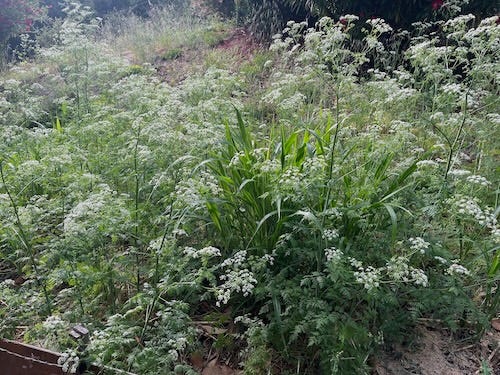
ü LEAF PEEPING starts this month with the changing of the leaves. Peep away!
ü POSITION your outdoor furniture for optimal autumn sunrises and sunsets.
ü SHARE spooky stories around an October fire pit and obey burning bans.
ü LIGHT paths with LED or solar lights as daylight dwindles. Turn lights off after a few hours to protect the darkness that migrating birds need.
ü PICK remaining tomatoes before the rains begin or make fried green tomatoes.
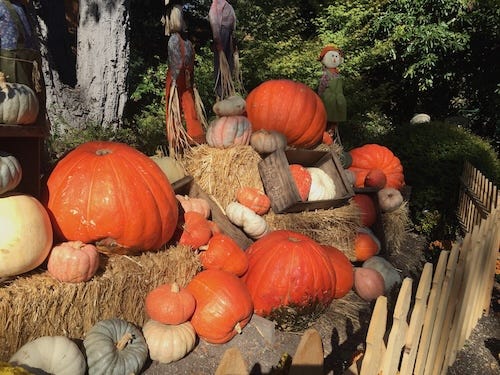
ü PILE pretty pumpkins and gourds in a display in your yard or on your porch to enjoy through autumn.
ü OVER-SEED bare spots in lawns and fertilize the grass towards the end of the month as the weather cools.
ü ALLOW spiders, bats, snakes, toads, lizards, and even skunks to protect your plants. They may seem scary, but they are guardians of the garden. Skunks find yellow jacket nests and devour the larvae.
Happy Gardening! Happy Growing! HAPPY HALLOWEEN!
For more seasonal gardening tips and inspiration, grab a copy of Growing with the Goddess Gardener at https://www.CynthiaBrian.com/books.
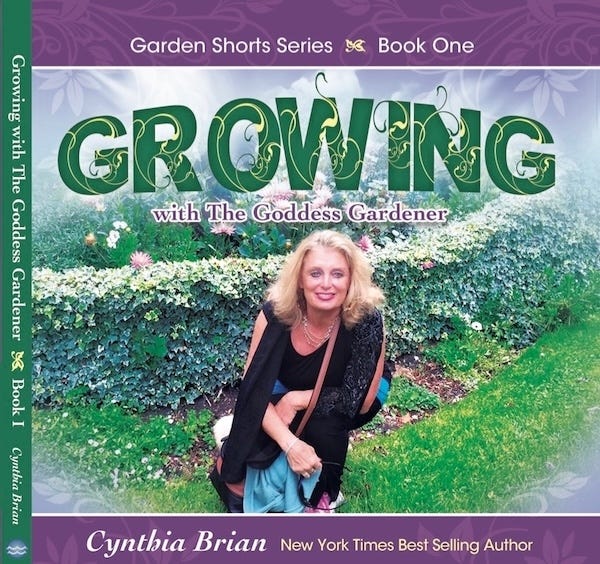
Raised in Napa County vineyards, Cynthia Brian is a New York Times best-selling author, actor, radio personality, speaker, media, and coach, as well as the Founder and Executive Director of Be the Star You Are!® 501 c3.

Tune into Cynthia’s StarStyle® Radio Broadcast at https://www.StarStyleRadio.com.

Her best-selling children’s series, Stella Bella’s Barnyard Adventures, is available at https://www.CynthiaBrian.com
StarStyle® Empowerment is a reader-supported publication. To receive new posts and support my work, consider becoming a free or paid subscriber.